Laser Level Tripod UK: How to Choose a Stable Setup That Won't Wobble
A laser level is only as steady as the tripod beneath it. This UK-focused guide explains thread sizes, height ranges, stability checks and pairing advice — drawn from trade experience and what buyers actually complain about online.
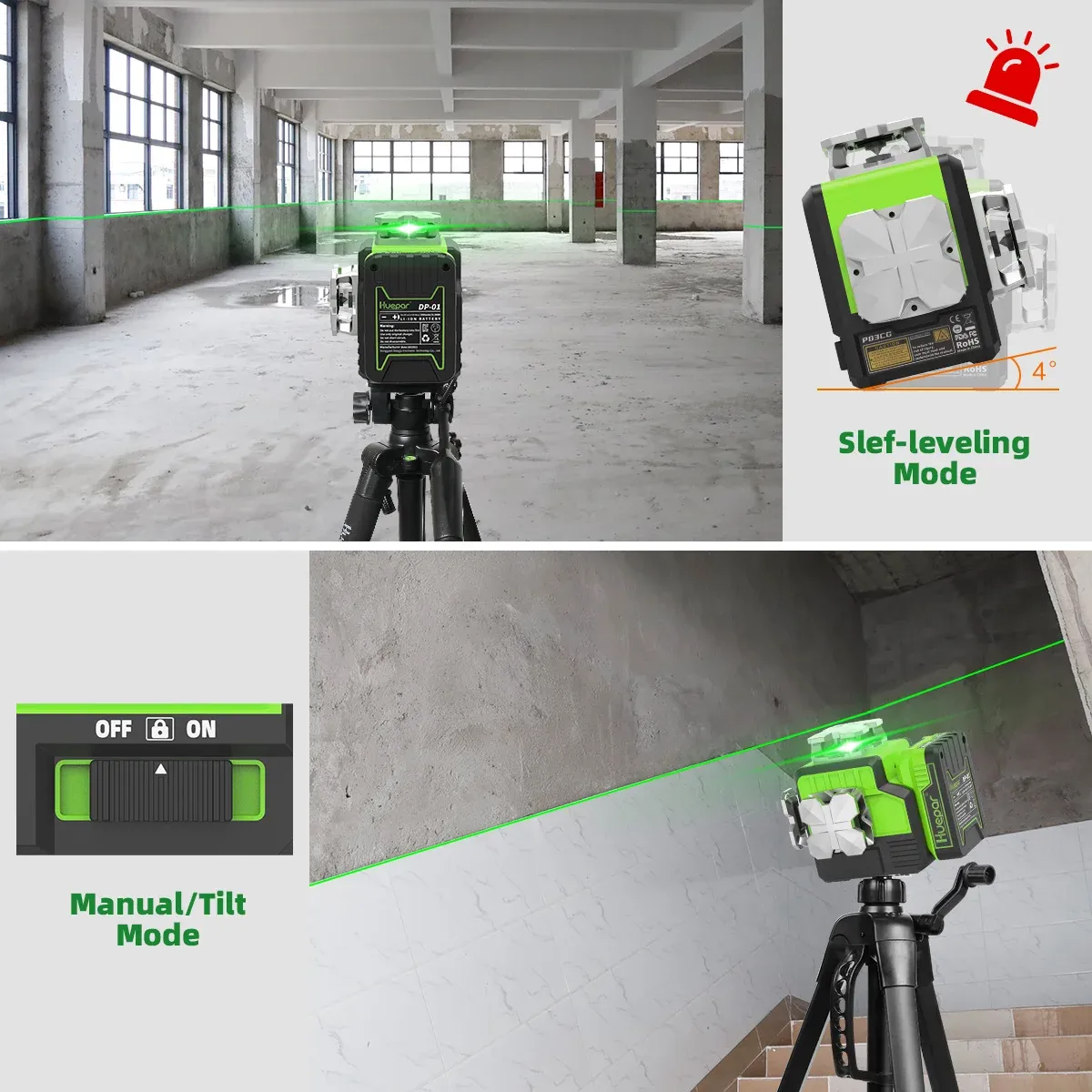
Why Your Tripod Matters More Than You Think
On Reddit's tool forums, one complaint comes up again and again: tripods that feel flimsy — legs that flex when you lean in, quick-release plates that wobble, and cheap plastic heads that drift after you lock them. That is not a minor annoyance. If the head moves even half a millimetre, your line moves several millimetres by the time it reaches the far wall.
For UK trades working in Victorian terraces with uneven floors, or DIYers tiling a bathroom where the datum line must survive a full afternoon, stability beats brand prestige every time. The good news: you do not need a £400 surveyor's tripod for most cross-line and 360° layout work. You do need to know what to look for.
Thread Sizes: Will It Actually Fit Your Laser?
Before anything else, check the mounting thread on your laser level base:
- 1/4"-20 — common on compact cross-line models and many DIY units.
- 5/8"-11 — the surveyor standard used on most rotary and professional 360° lasers.
Many UK buyers pick up a camera tripod first, realise the thread does not match, and end up with an wobbly adapter stack. If you are pairing a tripod with a full-room 360° tool, prioritise a 5/8" head or a dedicated laser tripod with the correct insert supplied.
The Huepar Pro 3D Green 360 Laser Level ships as a professional layout tool at £356.71 with free UK delivery — budget for a tripod that matches its weight class rather than reusing a lightweight camera stand.
Height Range: Floor Marks to Ceiling Lines
Think about the jobs you actually run:
- Kitchen fitting & tiling — you often need waist-height setup with lines projected to upper walls. Look for 1.0–1.6 m working height with fine adjustment on the head.
- Decking & landscaping — uneven ground demands longer leg sections and a head that levels independently of the legs.
- Full-room 360° layout — centre-room placement means a taller minimum height (often 1.2 m+) so the beam clears obstacles.
Crank-handle elevating columns are slower than flip-lever legs, but they tend to stay put once locked — a worthwhile trade-off for precision work.
Stability Checklist Before You Buy
Run through this list in the shop or when your order arrives:
- Leg lock test — extend each leg fully, press down on the head. There should be no perceptible flex.
- Head creep — lock the head, nudge it gently. It should not drift over 30 seconds.
- Foot pads — rubber feet grip tile and laminate; metal points are better outdoors on soil and decking sub-bases.
- Load rating — check the manufacturer's weight limit. A 360° laser with a metal housing can exceed 1 kg; add margin for wind outdoors.
- Carry case — trades who move between sites daily say a padded case prevents the head mechanism from loosening in transit.
Budget vs Trade Tripods: What Changes?
Entry-level laser tripods (£25–£45) suit occasional indoor cross-line work. Mid-range aluminium models (£50–£90) add stiffer legs and finer adjustment — the sweet spot for regular DIY and light trade use. Fibreglass or heavy-duty aluminium tripods (£100+) make sense when you are running a 360° laser daily on commercial sites.
Do not assume a famous camera brand tripod translates to site work. Photography heads prioritise smooth panning; laser work needs positive lock detents and minimal play.
Setting Up on UK Floors (Including Uneven Ones)
British homes are rarely perfectly level. When the floor slopes:
- Use independent leg adjustment rather than forcing the head bubble.
- Let the laser's self-levelling range do its job — most quality units compensate within ±4°. If the bubble is maxed out, reposition the tripod instead of shimming one leg with offcuts.
- On decking projects, set the tripod on firm ground beside the frame, not on springy boards.
For a deeper look at laser types and site applications, see our ultimate guide to laser levels for UK construction.
Pairing Tripods with 360° vs Cross-Line Lasers
Cross-line lasers are lighter and tolerate modest tripods. Full 360° models project horizontal and vertical planes simultaneously and generate more vibration when the motor compensates — stiffer tripods reduce the faint line shimmer some users report on glossy surfaces.
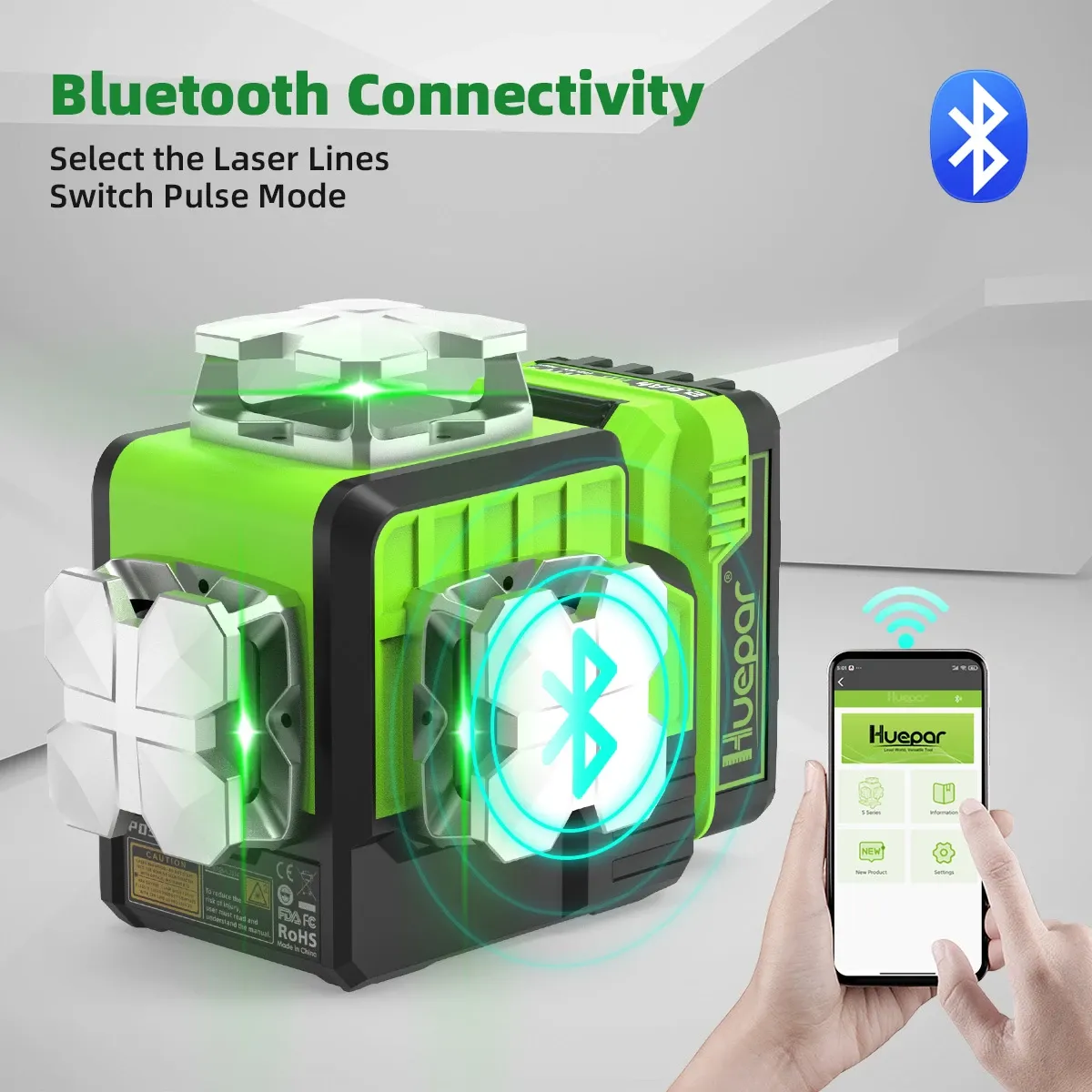
If you are investing in a 12-line green 360° tool, treat the tripod as part of the system, not an afterthought. The Huepar Pro 3D Green 360 Laser Level is rated 4.8★ from 300+ reviews and includes Bluetooth control — pair it with a 5/8" trade tripod and you eliminate the weakest link in your setup.
Frequently Asked Questions
Can I use a camera tripod for a laser level?
Sometimes, if the thread matches (usually 1/4") and the laser is lightweight. For heavier 360° lasers, camera tripods are often too flexible. Use a dedicated laser tripod with a 5/8" mount for professional layout work.
What height tripod do I need for tiling a UK bathroom?
A tripod that extends to roughly 1.4–1.6 m is ideal. This lets you project a level line around the full room without standing on steps. Fine-adjustment on the head saves time when setting your datum line.
Why does my laser line jump when I walk past the tripod?
Floor vibration travels up the legs. Use a heavier tripod, spread the legs wider, and stand on solid subfloor rather than springy boards. Lock all leg clamps firmly and avoid leaning tools against the stand during layout.
Ready for a steadier setup?
Shop the Huepar Pro 3D Green Laser Level — £356.71Free UK delivery · 30-day returns · 12-month warranty